(Photo Adobe Stock)
By Marrick Reeve
White bread toasted with margarine, ramen noodles, the faint sound of a sewing machine, and CBC kids: the anthem of being sick as a kid. When my siblings and I were too sick to go to school, we were dropped off at my baba’s house. We were greeted with breakfast, a spot on the Chesterfield (as Baba called it), and a show on the TV. Once we were set up, she would go down to the basement to work (she was a seamstress). Those days were full of rest, care, and comfort. Although I was not made for comfort (Pope Benedict XVI said so), I sure do seek it out, especially when I don’t feel well or when something has gone wrong. As an adult, I still reach for some of those comfort-bringing tastes, smells, and sounds when I am ill.
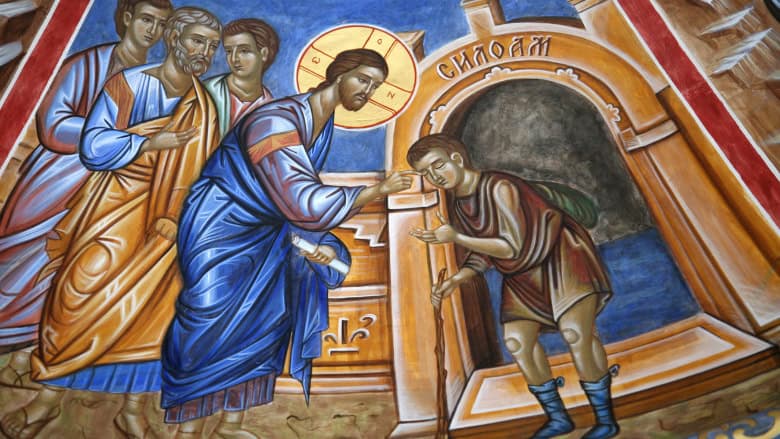
Jesus, having walked the earth, encountered and healed many sick and suffering people through signs (mud, spittle, the laying on of hands, etc.), instituted a grace-filled comfort: the Sacrament of the Sick. The Sacrament of the Sick is fourfold: it’s a particular gift of the Holy Spirit, a union with the passion of Christ, an ecclesial grace, and a preparation for the final journey (CCC 1520 – 1523). In particular, it is a spiritual strengthening, an increase in peace and courage to overcome difficulties, and an opportunity to bear fruit, contributing to the sanctification of the Church.
In January of 2020, I came down with a mysterious illness while abroad. One that left me bed-bound, grieving the loss of life as I knew it and unable to partake in the comforts I once sought out. Hoping that it would only last a little while, I made the journey home. Being home didn’t lighten my ailments or disabilities, but it gave me peace of mind: I was safe, cared for, and looked after. I wasn’t worried about cooking a meal or keeping the house clean – I was able to focus on rest.
The anointing of the sick works in a similar way. It redirects one’s gaze towards God and gives suffering a purpose. Although sometimes an anointing results in a miraculous physical healing, it focuses on strength against discouragement and hopelessness, and on healing the soul. When I received the anointing of the sick, I wasn’t physically healed, but I received a much greater gift: a peace I had never experienced before – a balm to my weary soul. I had a renewed sense of a greater purpose and a renewed sense of hope, that God was using my suffering for my good and His good (building His kingdom) and a focus on gratitude and grace as opposed to how much life sucked and how much I had lost. It was like putting on “eternity goggles” – life and suffering through the lens of eternal life. I may have lost some of my freedoms, abilities, and choices, but I had gained an unexpected peace and joy. It was a glimpse into the life to come and a fulfillment of God’s promises to me.
There was a time when this sacrament was reserved only for those on their deathbed. Now, one may receive this sacrament in the case of serious illness (physical or mental) or before a serious operation. If you are suffering physically or mentally, I encourage you to seek out this sacrament and the gift of God’s grace. February 11th is the World Day of the Sick. The theme this year is “The compassion of the Samaritan: loving by bearing another’s pain.” May God, through the gift of the sacraments, pour out His love, grace, and mercy upon us, so that we may live in union and communion with Him and our neighbour. May we experience life through eternity goggles – a renewed sense of hope and purpose to our sufferings in this life, in perspective of the life and promises to come, caring for each other every step of the way.